
Do Electric Toothbrushes Really Work Better Than Manual?
Understanding the Difference
Choosing the right toothbrush may seem like a small decision, but it plays a big role in your overall oral health. One of the most common questions patients ask is whether electric toothbrushes actually clean better than manual ones. With so many options available, it’s understandable to want clarity on which choice is best for keeping your teeth and gums healthy.
How Manual Toothbrushes Work
Manual toothbrushes have been used effectively for decades and, when used correctly, can do a good job of removing plaque. They rely entirely on the user’s brushing technique, pressure, and consistency. This means brushing for a full two minutes, reaching all surfaces of the teeth, and avoiding scrubbing too hard, which can damage enamel and gums. For patients with excellent brushing habits, a manual toothbrush can be perfectly adequate.
How Electric Toothbrushes Improve Cleaning
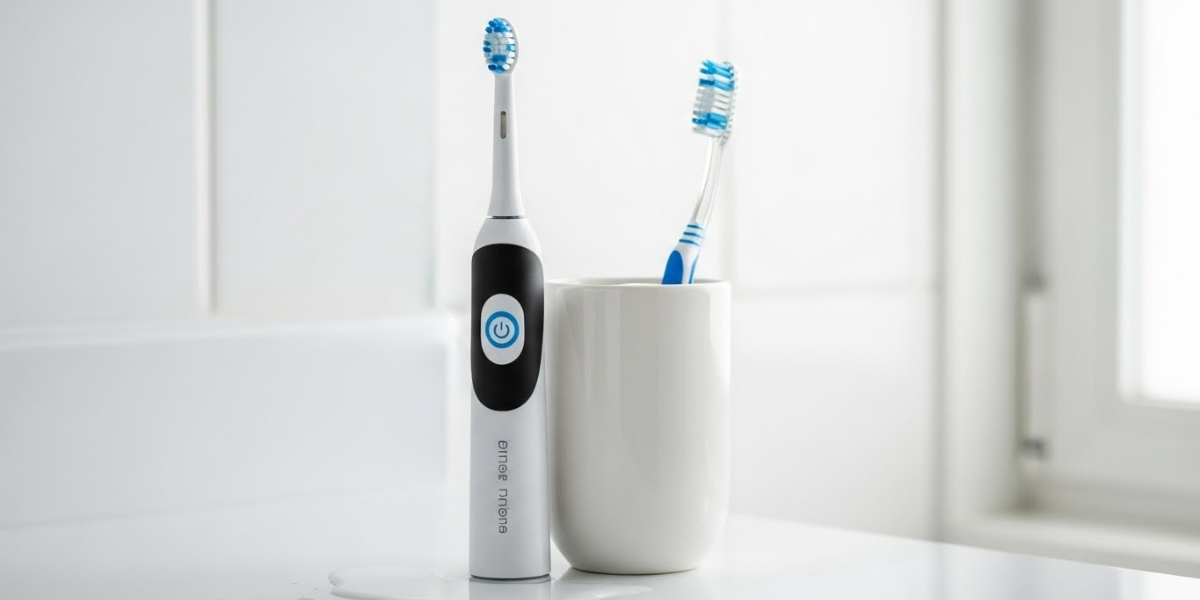
Electric toothbrushes use oscillating, rotating, or vibrating movements to clean teeth more efficiently. These rapid movements help break up and remove plaque more effectively than manual brushing alone, particularly along the gumline where plaque tends to build up. Many electric toothbrushes also include built-in timers and pressure sensors, which encourage better brushing habits and help prevent over-brushing.
Are Electric Toothbrushes Better for Gum Health?
Research has shown that electric toothbrushes can be especially beneficial for gum health. Because they remove plaque more consistently, they may help reduce inflammation and bleeding gums over time. They are also easier to use for patients with limited dexterity, such as children, older adults, or those with arthritis, making it easier to maintain a good oral hygiene routine.
Do You Have to Use an Electric Toothbrush?
An electric toothbrush is not essential for everyone. The most important factor is brushing properly and consistently, regardless of the type of toothbrush you use. However, for patients who struggle with technique, tend to rush brushing, or have a history of gum disease, an electric toothbrush can offer noticeable advantages and help improve long-term oral health.
Choosing the Right Toothbrush for You
Whether you choose a manual or electric toothbrush, it’s important to use a soft-bristled brush and replace the head or brush every three months, or sooner if the bristles become worn. Your dentist can also recommend a specific type of toothbrush based on your oral health needs, lifestyle, and personal preference.
The Bottom Line
Electric toothbrushes are proven to be more effective at removing plaque and improving gum health for many people, but a manual toothbrush can still work well when used correctly. At Bridgford Dental, we focus on helping patients find the tools and techniques that suit them best. If you’re unsure which toothbrush is right for you, our team is always happy to offer personalised advice at your next appointment.